Choosing the right nursery for your child is an important decision that can shape their early development and love of learning.
Nursery education is more than just a place for childcare – it lays the foundation for social, emotional, and cognitive growth.
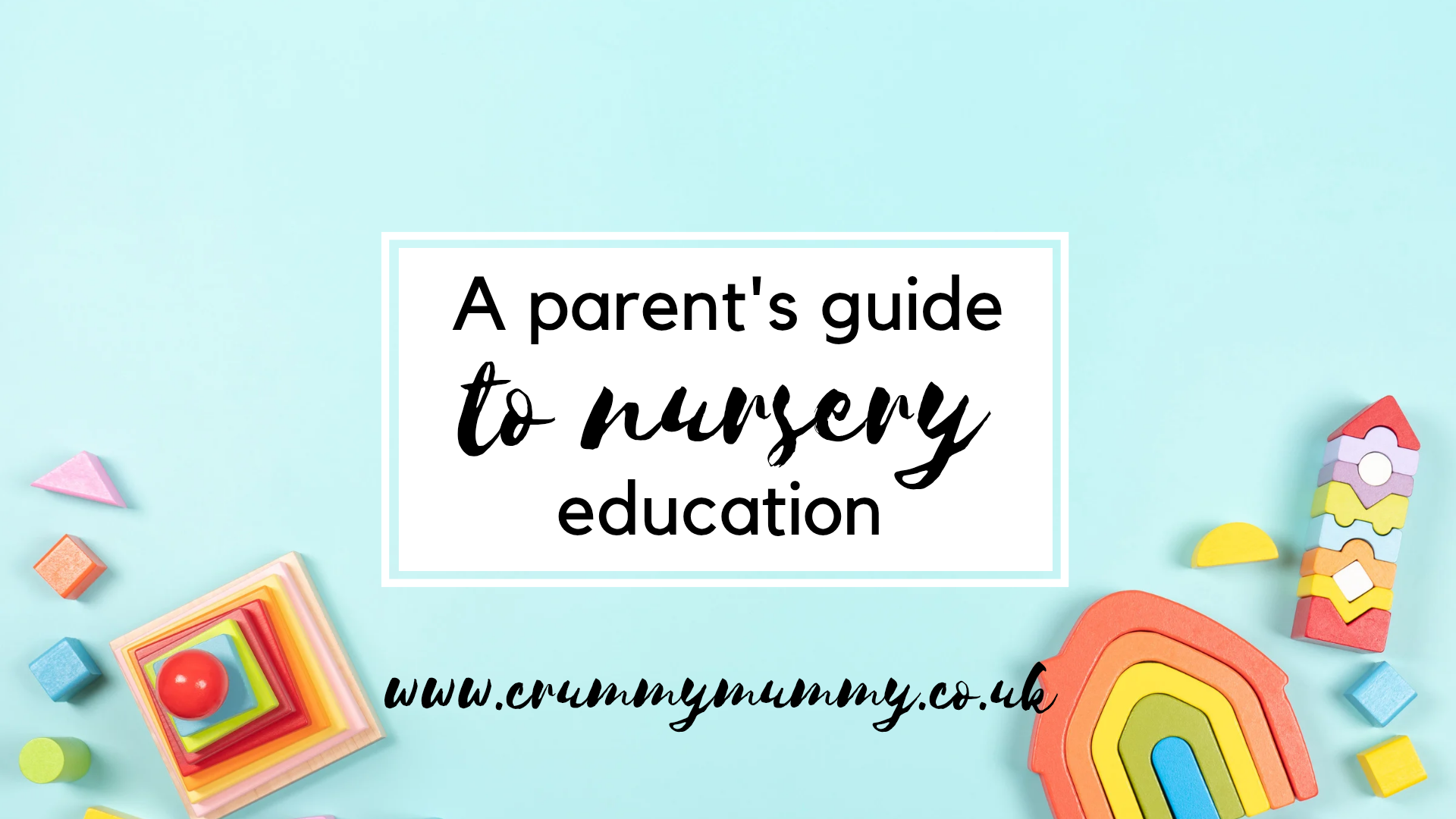
This guide will help parents navigate the key aspects of nursery education and make informed choices.
This post may contain affiliate links. This means if you buy something after clicking on a link, I’ll earn a few pennies to help me keep creating posts like this, at no extra cost to you!
A parent’s guide to nursery education
Understanding the purpose of nursery
Nursery education supports children aged from around two to five years old, offering structured learning in a safe and stimulating environment. It aims to develop essential skills such as communication, problem-solving, creativity, and independence. Beyond academics, nurseries focus heavily on social development, helping children learn to interact with peers, manage emotions, and build confidence.

Key features to look for
When choosing a nursery, parents should consider several factors:
1. Qualified Staff: Look for nurseries with trained early years practitioners who understand child development and can create an engaging, supportive learning environment. Staff ratios are also important to ensure children receive individual attention.
2. Curriculum and Learning Approach: Many nurseries follow the Early Years Foundation Stage (EYFS) framework, which balances play with structured learning. Some nurseries offer alternative approaches, such as Montessori or Reggio Emilia, which encourage self-directed learning and exploration. Understanding the nursery’s approach will help you choose one that aligns with your child’s personality and learning style.
3. Facilities and Resources: A nursery should provide safe indoor and outdoor spaces for active play, as well as resources for creative activities like art, music, and sensory play. These elements are vital for holistic development.
4. Environment and Atmosphere: Visiting nurseries in person gives a sense of the environment and ethos. Observe how staff interact with children, how children engage with activities, and whether the space feels welcoming and nurturing.

Supporting your child at home
Parental involvement is key to making the most of nursery education. Simple activities at home—like reading together, encouraging independent dressing, or practising counting—can complement what your child learns at nursery. Regular communication with nursery staff ensures you stay informed about progress and any areas where your child may need extra support.

Preparing for nursery life
Transitioning into nursery can be challenging for some children. Gradual introductions, familiar routines, and bringing a comfort object from home can ease anxiety. Encouraging children to express their feelings and reassuring them about the new experience helps build confidence and resilience.
The long-term benefits
High-quality nursery education equips children with the skills they need for primary school and beyond. Children who attend nurseries often develop strong social skills, emotional intelligence, and a love of learning that sets them up for academic success and lifelong growth.
Choosing the right nursery is about finding a balance between professional care, stimulating learning, and a nurturing environment. By understanding what to look for and actively supporting your child’s development, you can ensure their early years are both happy and enriching.
This is a collaborative post.

















Leave A Comment