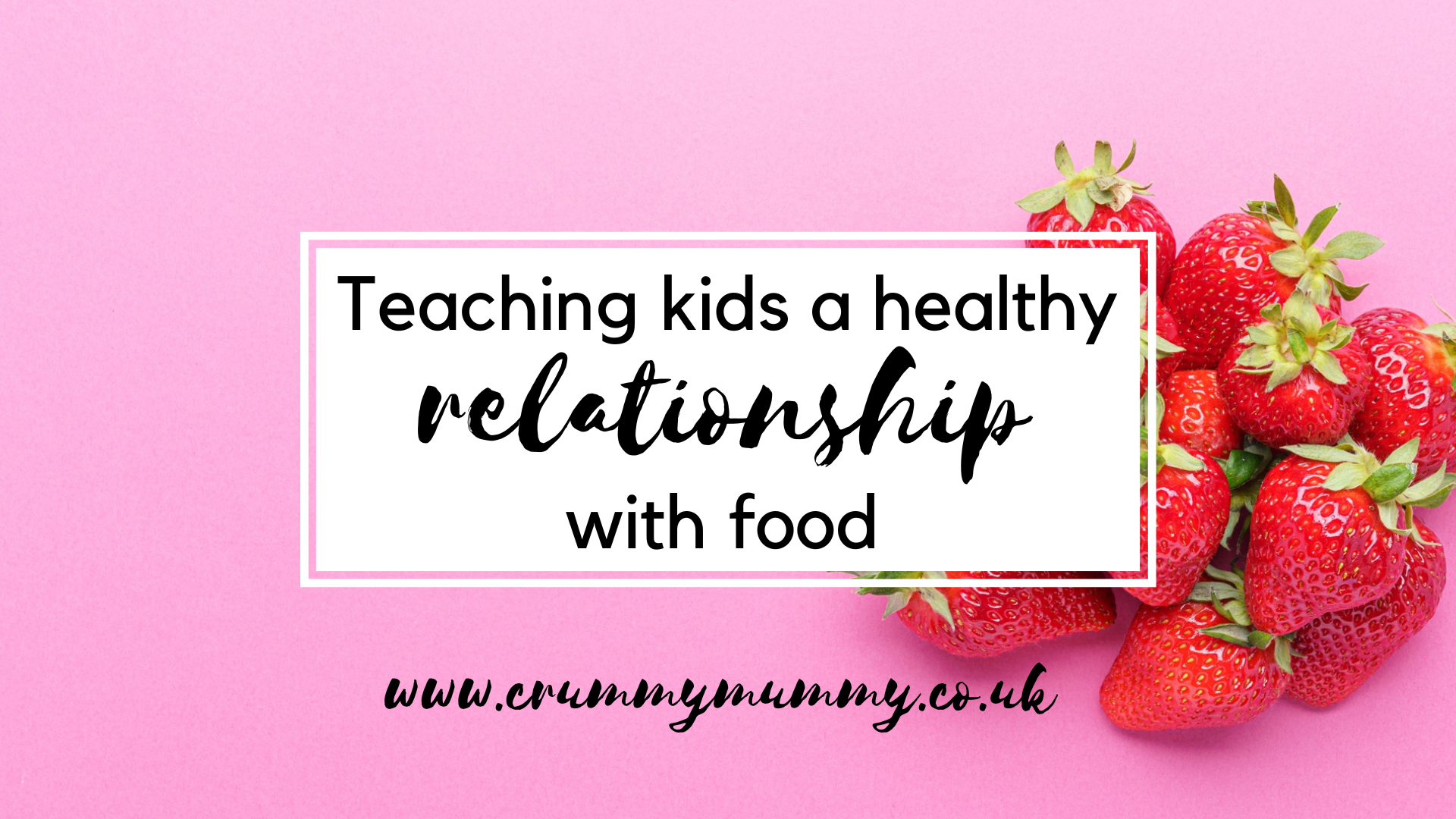
Helping children develop a healthy relationship with food is one of the most important lessons parents and educators can impart.
Food is not just fuel for the body; it is tied to culture, emotions, and habits that last a lifetime.
Encouraging positive attitudes towards eating early on can prevent issues such as fussy eating, emotional eating, or even disordered eating later in life.
This post may contain affiliate links. This means if you buy something after clicking on a link, I’ll earn a few pennies to help me keep creating posts like this, at no extra cost to you!
Teaching kids a healthy relationship with food
Encourage a positive attitude to eating
Children often mirror the attitudes of the adults around them. If mealtimes are calm, enjoyable, and free from criticism, children are more likely to develop a healthy attitude towards food. Avoid labelling foods as “good” or “bad,” as this can create guilt or shame around eating. Instead, talk about food in terms of balance and nourishment. For example, explaining that vegetables help us grow strong or that energy from grains keeps us active helps children understand the role of food rather than fear certain foods.
Involve children in food choices
One of the best ways to foster a positive relationship with food is to involve children in meal preparation and grocery shopping. Letting them choose fruits or vegetables, wash ingredients, or help with simple cooking tasks gives them a sense of ownership and curiosity about food. Children who participate in food preparation are more likely to try new foods and develop confidence in making healthy choices.

Encourage mindful eating
Mindful eating teaches children to listen to their bodies and recognise hunger and fullness cues. Encouraging them to eat slowly, savour flavours, and pay attention to how food makes them feel can prevent overeating and promote awareness of their body’s needs. Creating a calm environment for meals, free from screens or distractions, supports this mindful approach.
Lead by example
As suggested by this sixth form in London, children learn by watching adults. Eating a variety of foods, modelling balanced portions, and maintaining a positive attitude to treats and indulgences teaches children that no food should be off-limits. This approach helps prevent “forbidden food” cravings and builds a balanced mindset where occasional treats are part of a healthy diet, not a source of guilt.

Avoid using food as a reward or punishment
Using sweets or treats as a reward can create an unhealthy emotional attachment to food. Similarly, punishing children by withholding food can lead to negative associations. Instead, celebrate achievements with non-food rewards, such as praise, stickers, or fun activities.
Be patient & supportive
Developing healthy eating habits is a gradual process. Children may reject new foods several times before accepting them. Patience, encouragement, and gentle persistence are key. Celebrate small successes, and try not to turn mealtimes into a battle.
Teaching children a healthy relationship with food equips them with skills and attitudes that last a lifetime. By encouraging positivity, involvement, mindfulness, and balance, we can help children enjoy food without guilt, understand their bodies, and develop habits that support lifelong wellbeing.
This is a collaborative post.
















Leave A Comment