Swimming is more than just a fun activity for children – it is a life skill that can benefit them physically, mentally and socially for years to come.
Whether lessons begin in the early years or later in primary school, learning to swim offers a wide range of advantages that support a child’s overall development.
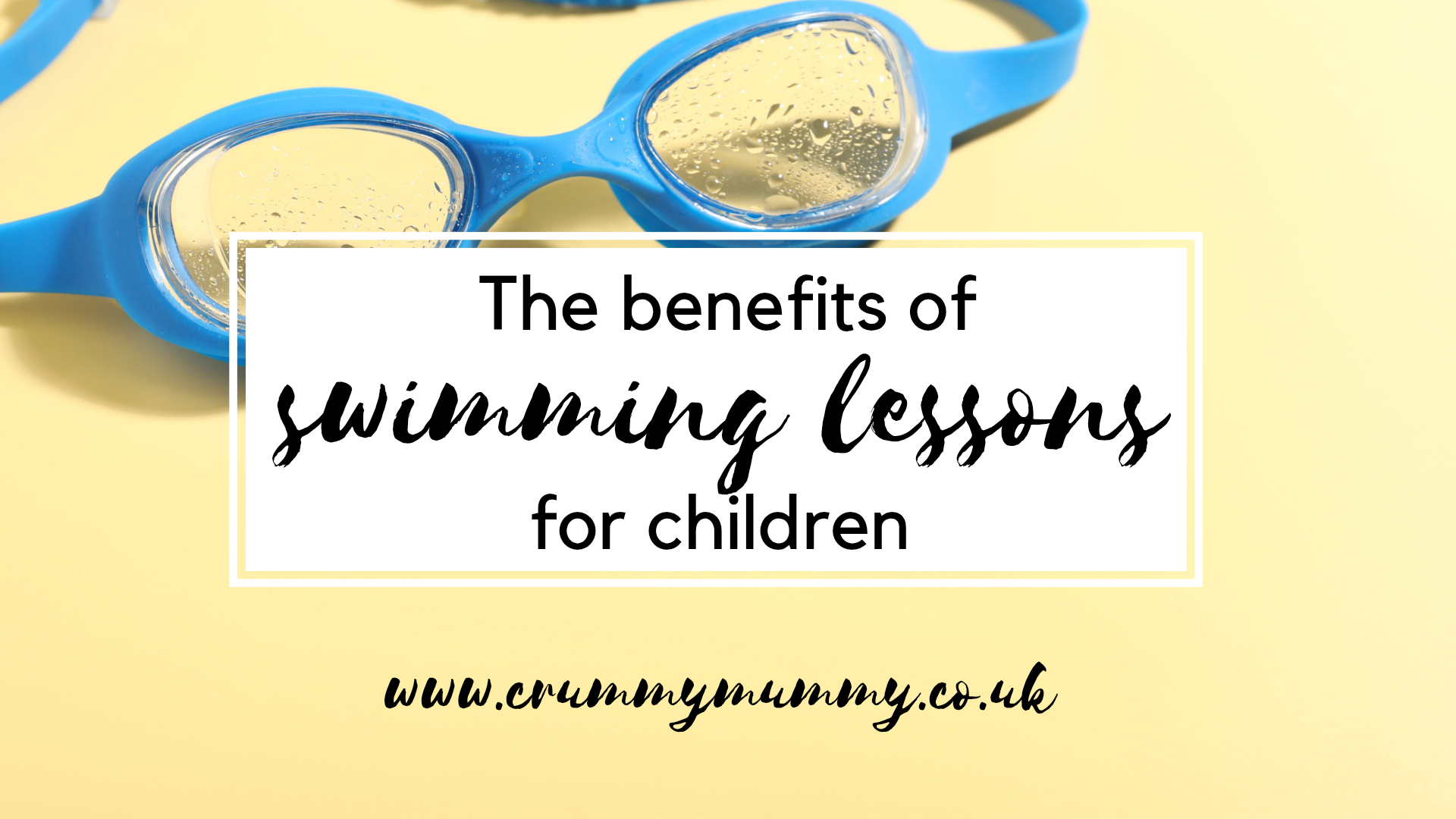
The benefits of swimming lessons for children
A vital life-saving skill
First and foremost, swimming is an essential safety skill. Drowning remains a significant risk for children, particularly during holidays or trips near water. Formal swimming lessons teach children how to float, tread water and move confidently in a pool. They also learn important water safety rules, such as how to enter and exit the pool safely and what to do in an emergency.
Building water confidence from a young age can reduce fear and help children stay calm if they ever find themselves in difficulty. Knowing how to swim provides reassurance not only for children, but for parents too.
Improving physical health & fitness
Swimming is a full-body workout that engages nearly every major muscle group. Unlike some sports, it is low-impact, meaning it is gentle on growing joints while still building strength and stamina. Regular swimming lessons can improve:
This post may contain affiliate links. This means if you buy something after clicking on a link, I’ll earn a few pennies to help me keep creating posts like this, at no extra cost to you!
- Cardiovascular fitness
- Muscle tone and flexibility
- Coordination and balance
- Endurance
Because the water provides natural resistance, children strengthen their muscles without placing excessive strain on their bodies. It is also an excellent way to support healthy weight management in a fun and enjoyable way.
Boosting confidence & independence
Learning a new skill takes courage and perseverance. As children progress through swimming stages and achieve new milestones, their sense of accomplishment grows. Moving from holding onto the pool edge to swimming independently is a huge confidence boost.

Structured lessons also encourage independence. Children learn to listen carefully to instructions, practise regularly and push through small challenges. These experiences help build resilience, which carries over into other areas of life, including school and friendships.
Supporting social development
Swimming lessons are often delivered in small groups, giving children the opportunity to interact with others outside of their usual classroom environment. They learn to take turns, support their peers and celebrate one another’s achievements.
For some children, the pool can be a more relaxed setting where they feel comfortable expressing themselves. Shared activities and games in the water naturally encourage teamwork and communication skills.

Enhancing mental wellbeing
Physical activity is closely linked to improved mood and reduced stress. Swimming, in particular, has a calming effect due to the rhythmic movement and the soothing properties of water. Many children leave lessons feeling refreshed and energised.
Swimming can also help children who struggle with concentration. The focus required to coordinate breathing, movement and technique can improve attention and self-discipline over time.

Encouraging lifelong healthy habits
Children who learn to swim early are more likely to continue being active as they grow older. Swimming is a skill that can be enjoyed throughout life, from school competitions to family holidays and even gentle exercise in adulthood.
By introducing swimming lessons at a young age, parents are laying the foundations for a healthy, active lifestyle. Beyond the medals and certificates, the real reward is a confident, capable child who feels safe in the water and proud of their achievements.
In short, swimming lessons offer far more than the ability to move through water – they help children develop strength, resilience, friendships and lifelong wellbeing.
This is a collaborative post.






















Leave A Comment